
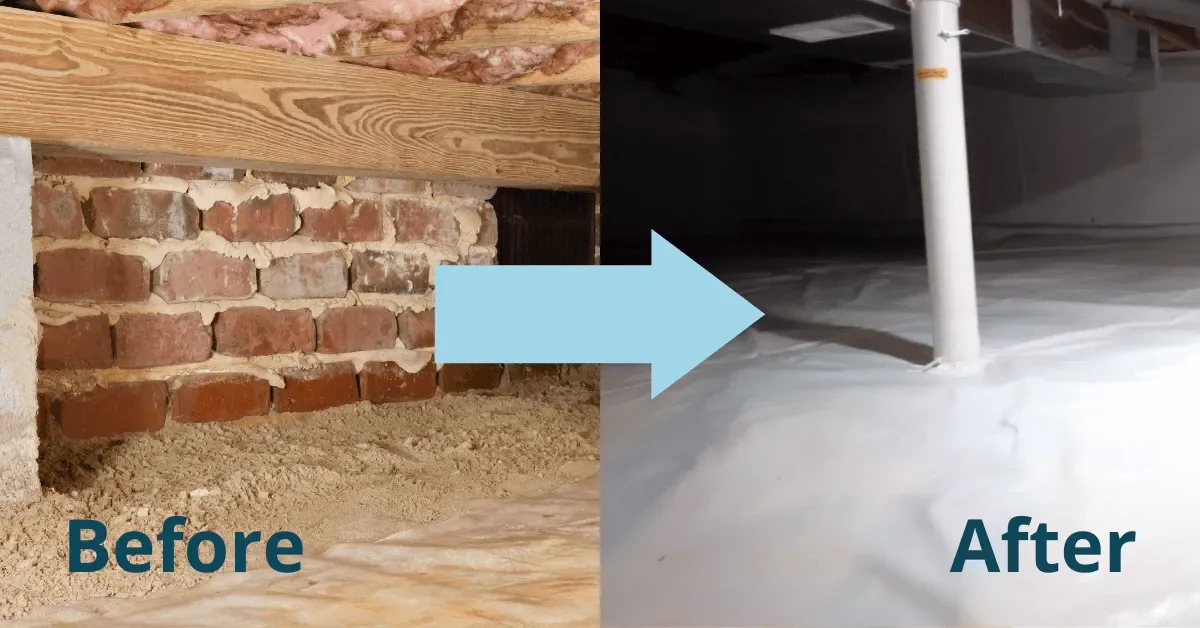
Begin with the moisture pathway
Possible sources include plumbing or roof leaks, poor exterior drainage, groundwater, exposed soil, humid vented crawl-space air, condensation and HVAC issues. Each source requires a different correction.
Cleanup can begin only after active water is controlled or as part of a sequenced plan that clearly assigns the correction.
Different materials need different decisions
Accessible structural wood may be a cleaning candidate when it remains sound. Wet insulation, damaged drywall, cardboard and other porous contents may require removal. Soil is not treated like framing.
Your estimate should name the surfaces being cleaned, removed or left in place and explain what happens if hidden damage appears.
Testing is a separate question
Appearance and color do not reliably identify mold species. Independent laboratory testing can be useful for disputed conditions, sensitive occupants, documentation or post-work verification.
Visual inspection cannot replace laboratory identification or medical advice. Occupants with health concerns should consult an appropriate medical professional.
Crawl-space moisture-control options
| Measure | Problem it addresses | Important limitation |
|---|---|---|
| Exterior drainage correction | Water directed toward the foundation | Must match grading, downspouts and site conditions |
| Ground vapor barrier | Moisture evaporation from exposed soil | Seams, coverage and durability affect performance |
| Air sealing / encapsulation | Humid air exchange and exposed surfaces | Needs compatible drainage and mechanical strategy |
| Dehumidification | Elevated crawl-space humidity | Requires sizing, drainage, power and maintenance |
| Leak repair | Active plumbing or building water | Must be completed by the responsible qualified party |
What completion can honestly mean
A contractor can document that listed visible surfaces were treated, materials included in your estimate were removed and included moisture-control items were installed. That is different from guaranteeing no spores exist or that growth can never return.
Humidity monitoring, drainage observation, equipment maintenance and future inspections are part of responsible ownership.
Questions to ask a mold-removal contractor
- What moisture source do you suspect, and who corrects it?
- Which exact materials and surfaces are included?
- What is removed versus cleaned?
- What containment or protection is planned?
- Is testing independent, optional or required?
- What drainage, vapor or humidity work is included?
- What maintenance is expected after completion?